
Where do I source reliable freelance app developers, photographers, and video editors on gig economy platforms?
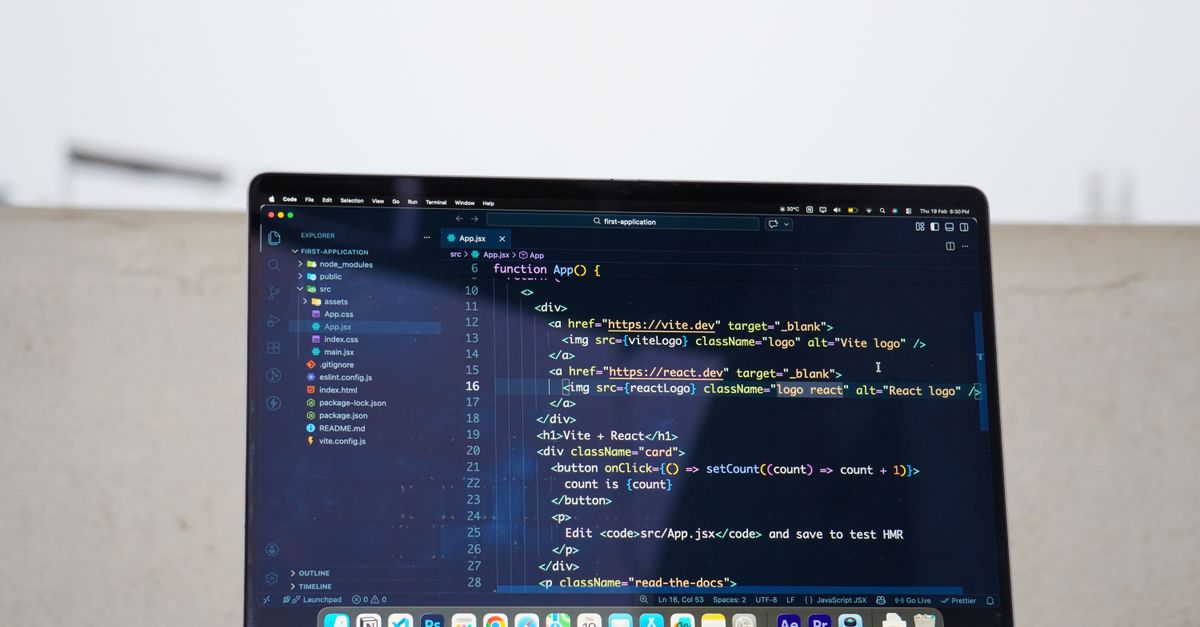
Finding the right talent for short‑term or project‑based work is a growing necessity in today’s fast‑moving business landscape. Whether you need a freelance app developer to build an MVP, a photographer to capture product shots, or a video editor to create compelling marketing clips, gig economy platforms are where most of that expertise now resides.
In this guide I’ll walk through the practical steps—how to choose the right platform, vet candidates, negotiate terms, manage workflows, and avoid common mistakes. The goal is to give you a repeatable process that saves time, reduces risk, and delivers quality results every time.
Key takeaway: The biggest differentiator between successful hires and costly missteps is not the platform itself but how rigorously you vet, communicate, and set clear expectations from day one.1. Overview of Gig Economy Platforms
Gig economy platforms are digital marketplaces that match businesses with independent contractors. The most prominent ones in 2026 include Upwork, Toptal, Fiverr Pro, Guru, PeoplePerHour, and specialized sites like 99designs for design work or Videohive for video assets.
Common Features to Compare
- Verification Process: Does the platform verify skills through tests or portfolio reviews?
- Payment Terms: Hourly, milestone, or fixed‑price models? How quickly are funds released?
- Dispute Resolution: Is there a clear process for resolving conflicts?
- Community Feedback: What’s the overall rating and volume of reviews for each freelancer?
When evaluating platforms, prioritize those that offer robust escrow systems for gig work to protect both parties.
2. Types of Freelance Work & How They Differ
The gig landscape is segmented by skill set. Understanding these distinctions helps you target the right talent pool and set realistic expectations.
Freelance App Developers
- Specialize in mobile (iOS/Android) or web (React, Vue, Node.js).
- Often require code repository access and version control familiarity.
- Projects can range from small feature additions to full app builds.
Freelance Video Editing Gigs
- Proficient in Premiere Pro, After Effects, Final Cut Pro or DaVinci Resolve.
- Must deliver polished cuts, transitions, color grading, and sound design.
- Typical outputs include explainer videos, product demos, social media clips.
Freelance Photography Work
- Handles studio or outdoor shoots, photo editing, retouching.
- Must deliver high‑resolution images compliant with brand guidelines.
- Common uses: e‑commerce product photos, lifestyle imagery, corporate portraits.
Each category has its own set of deliverables and quality metrics. Matching the right platform to each type can streamline your hiring process.
Typical timelines and budget ranges:
- App development: 1–3 weeks for a single feature, $1,500–$5,000 per milestone; full MVPs often cost $15,000–$40,000 depending on complexity.
- Video editing: 2–5 days per minute of final footage, rates around $200–$600 per finished minute for high‑end projects.
- Photography: 1 day shoot plus 3–7 days post‑production editing, costing $300–$1,200 per session depending on location and retouching depth.
3. Choosing the Right Platform for Your Need
Not every platform serves all three categories equally well. Here’s a quick decision matrix you can use:
Decision Matrix
| Platform | App Dev | Video Editing | Photography |
|---|---|---|---|
| Upwork | Strong | Moderate | Strong |
| Toptal | Elite | Poor | Poor |
| Fiverr Pro | Variable | Strong | Moderate |
| 99designs | N/A | Strong (graphics) | Strong |
| PeoplePerHour | Moderate | Moderate | Moderate |
For a balanced approach, I usually start with Upwork for app developers and photographers because of its broad talent pool and escrow system. For video editing gigs, Fiverr Pro or dedicated sites like Videohive often yield faster turnaround times.
4. Vetting Candidates Thoroughly
Even the best platforms can surface candidates who don’t meet your standards. A systematic vetting process reduces risk.
Vetting Checklist
- Portfolio Review: Look for projects that match your technical stack or visual style.
- Skill Tests: Use platform‑provided tests or create a small paid test assignment.
- References & Reviews: Verify past client feedback and, if possible, contact references.
- Technical Interview: Discuss architecture decisions for developers or editing workflows for editors.
- Cultural Fit: Assess communication style, responsiveness, and alignment with your brand values.
- Portfolio Consistency: Ensure the quality level is maintained across all showcased works, not just a few standout pieces.
To streamline this process, consider creating a standardized interview template that covers technical questions, workflow preferences, and availability checks. A brief 15‑minute video call often reveals whether a freelancer can adapt to your communication cadence and project style.
5. Negotiating Rates and Contracts
Clear terms prevent misunderstandings later on. Here are key points to cover:
- Scope of Work (SOW): Detailed deliverables, milestones, acceptance criteria.
- Rates: Hourly vs fixed‑price. For app dev, I prefer milestone-based payment tied to code reviews; for video editing, a flat fee per minute of final footage works best.
- Revisions: Number and scope of revisions included in the price.
- Intellectual Property: Ensure you own all rights upon full payment.
- Confidentiality: Non‑disclosure agreements (NDAs) if sensitive data is involved.
Use platform templates where available, but tailor them to the specific gig. A well‑written contract saves time and protects both parties.
6. Managing Projects Effectively
Once you’ve hired talent, the next challenge is keeping projects on track. Adopt a lightweight project management workflow that works across platforms.
Project Management Workflow
- Kick‑off Meeting: Clarify objectives, timelines, and communication channels.
- Task Breakdown: Use Trello or ClickUp to split work into actionable cards with due dates.
- Regular Check‑ins: Weekly video calls for app dev; daily Slack updates for editors.
- Version Control: For developers, enforce Git commits and pull requests. For editors, use cloud storage (e.g., Google Drive) with version naming conventions.
- Quality Assurance: Build in review stages—code reviews for devs; storyboard approvals for editors; proofing for photographers.
Automation tools like Zapier can sync task updates to your calendar or email, reducing manual follow‑ups. For example, a completed Trello card can automatically trigger an email reminder to the freelancer’s client portal, ensuring no step is missed.
7. Common Pitfalls to Avoid
- Underestimating Time: Freelancers often need more time than estimated, especially for complex dev tasks. Buffer 20–30% extra.
- Overreliance on Platform Metrics: A high rating doesn’t guarantee cultural fit or project alignment.
- Lack of Clear Deliverables: Vague descriptions lead to scope creep and rework.
- Ignoring IP Clauses: Without clear ownership terms, you risk losing control over the final product.
Address these proactively by setting realistic expectations and documenting everything in writing. A simple “Project Charter” that outlines objectives, stakeholders, and success criteria can serve as a reference point throughout the engagement.
8. Tools for Collaboration & Workflow
The right tools can streamline communication and reduce friction between you and your freelancers.
- Communication: Slack for real‑time chat; Zoom for video calls.
- File Sharing: Google Drive or Dropbox with folder permissions.
- Code Repositories: GitHub, GitLab, or Bitbucket with read/write access.
- Video Editing: Frame.io for review and comments on raw footage.
- Photography: Lightroom Cloud Catalogs for shared editing sessions.
Integrating these tools through APIs or native integrations keeps your workflow seamless across platforms. For instance, linking GitHub to Slack notifies the team whenever a pull request is merged, ensuring developers and project managers stay aligned in real time.
9. Legal, Payment, Tax Considerations
Freelancers are independent contractors, which carries specific legal and tax implications.
- Tax Withholding: In the U.S., you must collect a W‑9 form for freelancers; no withholding is required if they’re outside the U.S. For international hires, use Form 8233 or 1042-S as applicable.
- Payment Disbursement: Use platform escrow to protect both parties; avoid direct bank transfers unless verified.
- Insurance & Liability: Consider professional liability insurance for high‑risk projects.
- Compliance with Labor Laws: Ensure you’re not misclassifying employees as contractors—review the IRS 29 CFR guidelines.
Keeping meticulous records of invoices, contracts, and correspondence helps in case of audits or disputes. Many platforms provide downloadable reports that automatically log all transactions, making year‑end reporting a lot smoother.
10. Frequently Asked Questions
How do I handle revisions without overpaying? Agree on a revision cap within the contract and use milestone approvals to lock in deliverables before payment is released.
What if a freelancer misses a deadline? Include a clause for late penalties or schedule buffers. If delays persist, escrow can be used to negotiate a fair resolution.
Can I hire multiple freelancers on the same platform simultaneously? Yes—many platforms allow you to manage several projects in parallel; just keep separate communication threads and project boards to avoid confusion.
Conclusion
Leveraging gig economy platforms for freelance app developers, photographers, and video editors is a practical way to scale your business without the overhead of full‑time hires. By selecting the right platform, rigorously vetting talent, negotiating clear contracts, managing projects with disciplined workflows, and staying compliant with legal requirements, you can build a reliable remote workforce that drives growth.
What challenges have you faced when hiring freelancers for technical or creative work, and how did you overcome them?


